The term whisky is derived from the Gaelic word usquebaugh, which translates to “water of life.” Through centuries of linguistic change, it gradually became the name known around the world today.
Much like its name, the whisky industry has continually evolved, with distilleries adapting and developing over time. Understanding this ongoing journey allows collectors and enthusiasts to gain deeper insight into their bottles, make confident decisions, and recognise the true value of their collections.
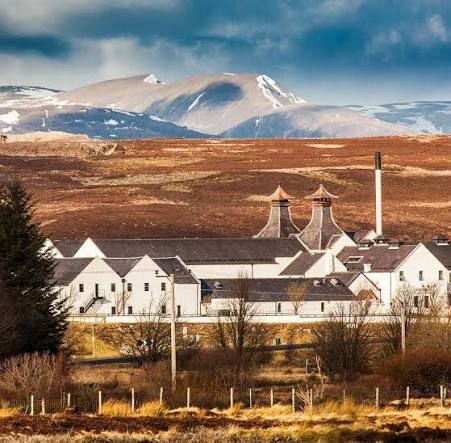
Nestled along the River Spey, Speyside is home to more distilleries than any other region in Scotland. Known for its smooth, fruity, and honeyed drams, this region produces iconic expressions from world-renowned names like Glenfiddich, Macallan, and Glenlivet — making it a cornerstone of any serious whisky collection.
Perched off Scotland’s west coast, Islay is legendary for its bold, heavily peated whiskies with unmistakable maritime character. Distilleries like Ardbeg, Laphroaig, and Bowmore craft expressions rich in smoke, iodine, and sea salt — bottles that command fierce loyalty and strong investment returns.
Scotland’s largest whisky-producing region offers remarkable diversity — from the light and floral northern distilleries to the rich, sherried expressions of the east. The Highlands are home to legendary names like Dalmore and Glenmorangie, producing bottles that consistently appreciate in value over time.
Once home to over 30 distilleries, Campbeltown was Scotland’s whisky capital. Today, only three distilleries remain — Springbank, Glen Scotia, and Glengyle — making their releases rare, sought-after, and increasingly valuable. A region defined by resilience, tradition, and uncompromising quality.
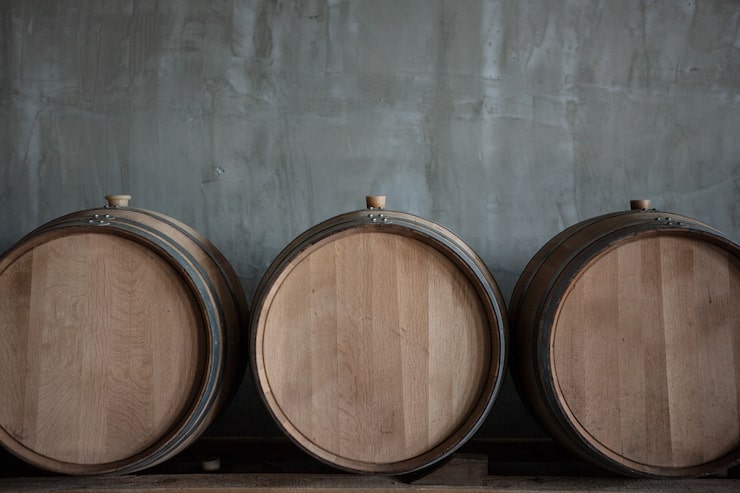
Beyond regions and distilleries lies the world of rare cask ownership — one of the most exclusive and rewarding forms of whisky investment. As a cask matures over decades, its contents reduce through natural evaporation, its flavour deepens, and its value grows. Owning a rare cask means holding a truly one-of-a-kind asset that no market crash can replicate.
You must be 18 or older to place an order with Acquire Wine and Whisky
Tax information is provided without warranty. Tax treatment depends on HMRC guidelines, so we recommend seeking expert advice tailored to your individual circumstances.
As with all collections, past performance is not a guarantee of future results.
“New Make” spirit must be matured for three years, during which its alcohol content may decrease. To be classified as “whisky,” it must maintain a minimum strength of 40%.
Our website provides information on whisky cask collecting but does not offer personal financial advice. If you are uncertain about which casks are suitable for you, consult a financial advisor.
If you choose to purchase whisky with Acquire Wine and Whisky, remember that cask prices can fluctuate, and you may receive back less than your initial investment.
Fees may apply—please review our privacy policy for further details.