
This video outlines the collecting process and walks you through each stage, ensuring you have the right knowledge before exploring our services further.
As rare whisky is recognized as an asset class, its primary goal is to protect collectors’ capital during market downturns.
The global whisky market is projected to grow significantly between 2023 and 2030.
The HMRC regulates all companies involved in whisky brokering, with guidance from the Scottish Whisky Association. Companies must obtain the proper licence from HMRC, known as a WOWGR. Securing this licence involves a detailed application process, including background checks, submission of business plans, and approval to trade with reputable brokers.
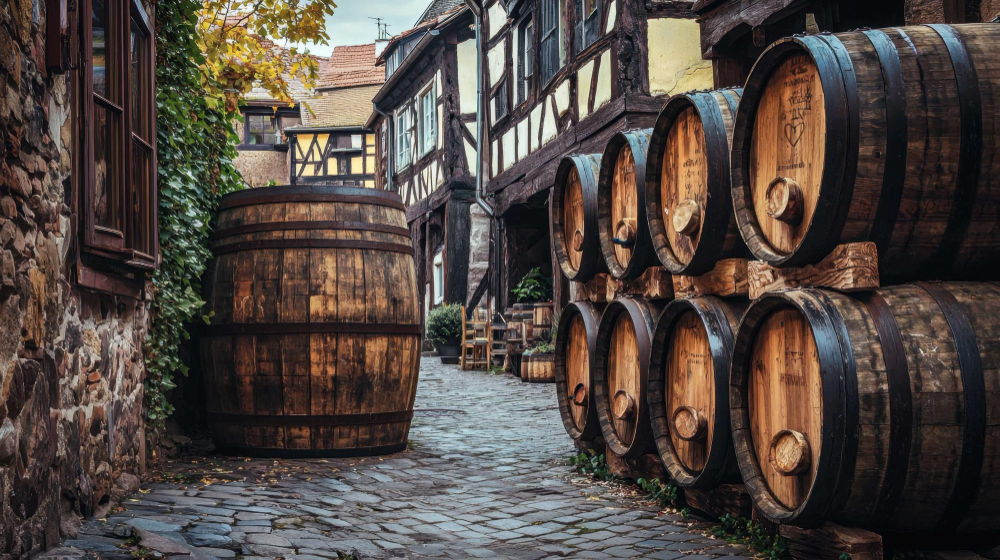
All stock purchased through us is stored in a bonded warehouse and can be insured for a small fee, depending on the size of your holdings. Coverage includes fire, theft, and water damage, with compensation based on the current market value if any incident occurs. All casks are kept in our bonded warehouse in Scotland, while rare bottlings are stored in our EHD bonded warehouse, which follows the same insurance policy.
Once your purchase is confirmed, you will receive a Title Deed Certificate detailing the casks you own. Each cask is registered with both the bonded warehouse and the original distillery, ensuring authenticity and enabling you to sell your cask through other channels if desired.
The value of premium whisky is primarily influenced by its age, the reputation of the distillery, and the brands produced. Single malt whiskies are generally considered the most valuable, occupying the higher end of the market compared to blends. However, blends combine younger and older single malts to achieve their desired flavors, which means collecting casks offers broader opportunities to sell either as single malts or as part of blends. While all whisky tends to appreciate over time, some bottles increase in value more significantly than others.
Once a cask is officially in your ownership, you can sell it at any time. For casks, we recommend holding them for a minimum of three years to achieve strong returns, though you may keep them for as long as you like. Returns largely depend on the brand and the duration of holding. Our guidance to clients is that typical annual returns range between 12% and 15%.
You must be 18 or older to place an order with Acquire Wine and Whisky
Tax information is provided without warranty. Tax treatment depends on HMRC guidelines, so we recommend seeking expert advice tailored to your individual circumstances.
As with all collections, past performance is not a guarantee of future results.
“New Make” spirit must be matured for three years, during which its alcohol content may decrease. To be classified as “whisky,” it must maintain a minimum strength of 40%.
Our website provides information on whisky cask collecting but does not offer personal financial advice. If you are uncertain about which casks are suitable for you, consult a financial advisor.
If you choose to purchase whisky with Acquire Wine and Whisky, remember that cask prices can fluctuate, and you may receive back less than your initial investment.
Fees may apply—please review our privacy policy for further details.
We’d love to hear from you! Please fill out the form and we’ll get back to you as soon as possible.